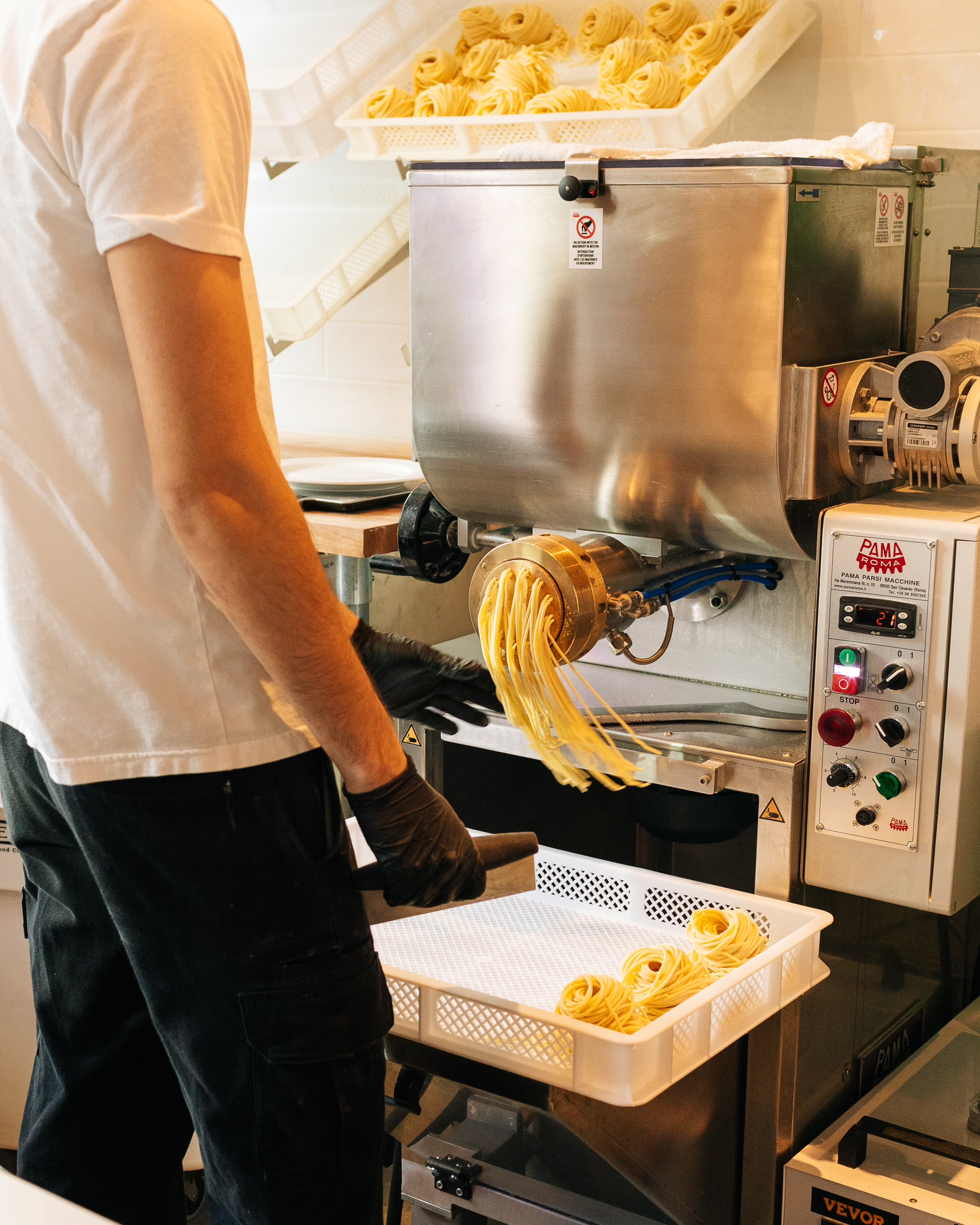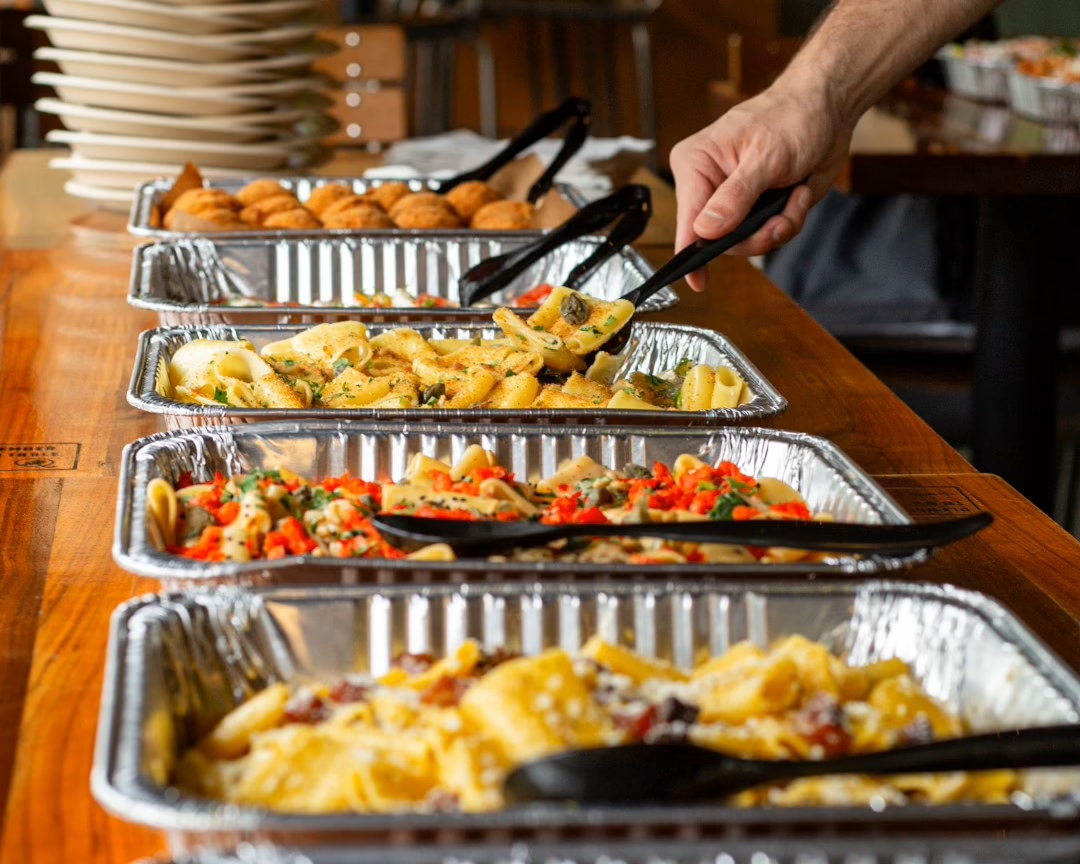
Walk into a trattoria in Bologna and order "spaghetti bolognese" and you'll get a polite but firm correction. The dish doesn't exist in Italy. Bolognese — properly called ragù alla bolognese — is a slow-cooked meat sauce that needs a flat, wide noodle to carry it. Here's why, and what to use instead.
1. Why Not Spaghetti?
Spaghetti is round and slick. A heavy meat sauce slides off it, pooling at the bottom of the bowl while the noodles arrive on your fork mostly bare. Italians figured this out centuries ago: a chunky, fatty ragù needs a noodle with width, with grip, with a flat surface for the sauce to cling to.
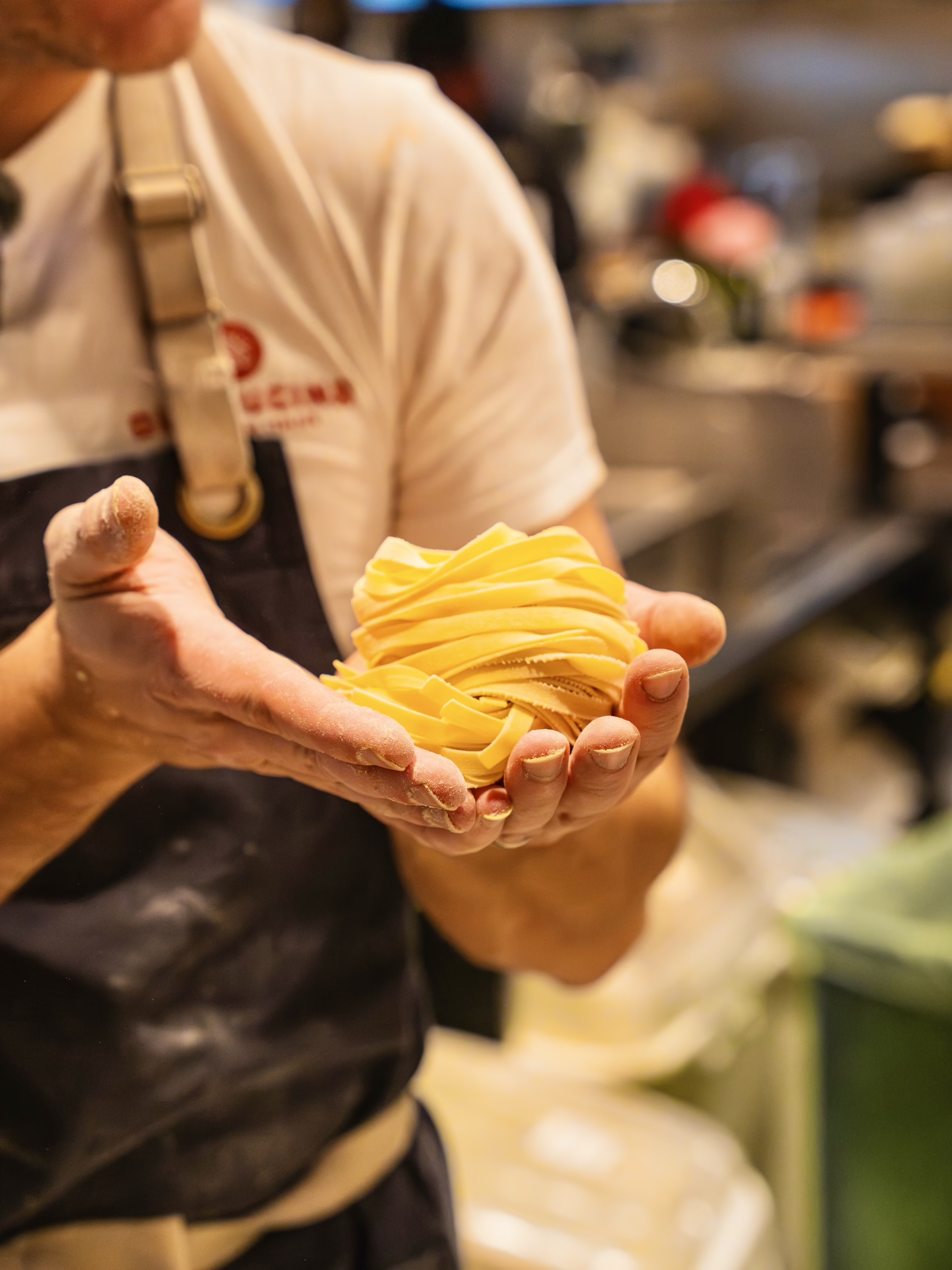
That’s why the official recipe registered with the Bologna Chamber of Commerce in 1982 specifies tagliatelle — a flat egg noodle, about 8 mm wide. Anything else, by tradition, is wrong.
2. The Shapes That Actually Work
- Tagliatelle: The classic. Flat, wide, made with egg dough — the official partner.
- Pappardelle: Tagliatelle’s wider cousin (2-3 cm). Even more surface, even more sauce.
- Rigatoni: If you must use a tube. Big enough to trap chunks of meat inside.
- Fettuccine: Roman cousin of tagliatelle, slightly thicker. Works beautifully.
- Lasagne: Yes — bolognese is the traditional filling for Bolognese-style lasagna.
3. What Real Bolognese Actually Is
Real ragù alla bolognese is not a tomato sauce with meat in it. It’s a meat sauce with a small amount of tomato. The base: a fine soffritto of onion, carrot, and celery, slowly sweated in butter. Then ground beef and pancetta, browned hard. A glass of white wine (yes, white). A splash of milk to round the acidity. A spoon of tomato paste, never a whole can. Then hours of low simmer.
It comes out the color of terracotta, not red. The fat from the meat is what carries the flavor — and that fat needs a noodle with surface area to ride on.
4. From Our Kitchen
Our bolognese cooks for over four hours. We finish it with freshly-grated Parmigiano Reggiano DOP — the only cheese that belongs on it. And we serve it on tagliatelle, because that’s how it should be.
“If you wouldn’t put it on lasagna, don’t put it on spaghetti.”