There are over 350 documented pasta shapes in Italy, and that's only the ones written down. Every region, every grandmother, every village square has its own. You don't need to know them all — but knowing the major families changes the way you cook and order forever.
1. Long Pasta (Pasta Lunga)
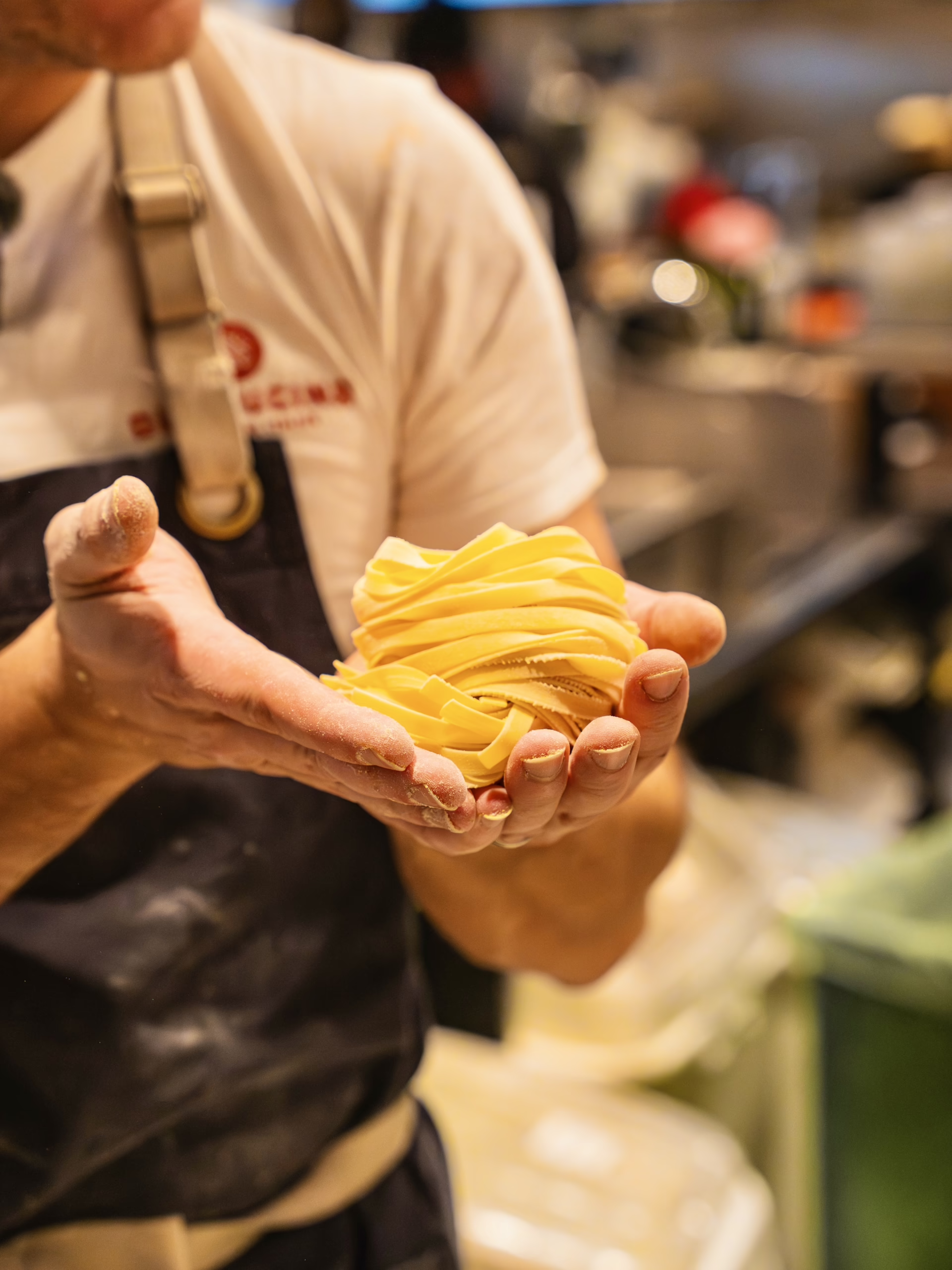
The strands. Spaghetti, linguine, bucatini, capellini, fettuccine, tagliatelle, pappardelle. They differ by width and cross-section: round (spaghetti), oval (linguine), hollow (bucatini), flat (the tagliatelle family). The rule of thumb: the heavier and chunkier the sauce, the wider and flatter the noodle.
2. Short Pasta (Pasta Corta)
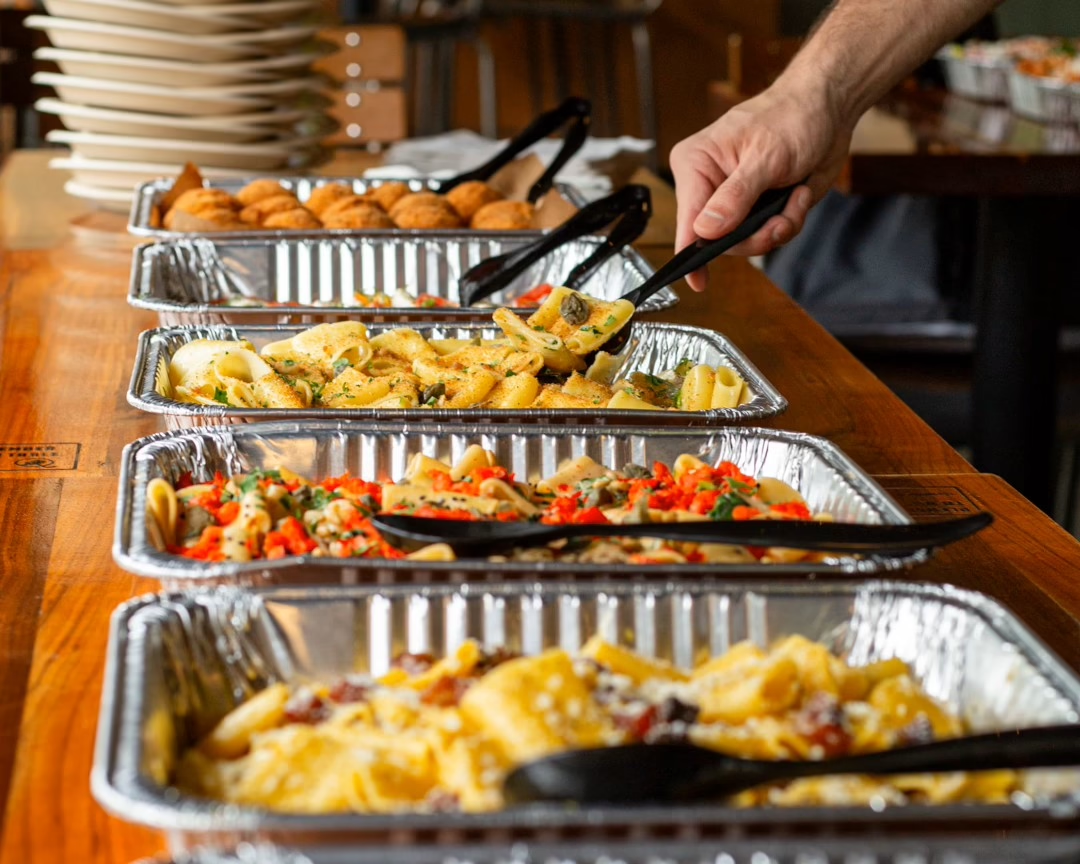
The pieces. Penne, rigatoni, fusilli, farfalle, conchiglie, orecchiette. Tubes for chunky sauces, twists for pesto, shells for cream sauces. Short pasta is the everyday food of Italy — it’s what most home kitchens cook on a Tuesday.
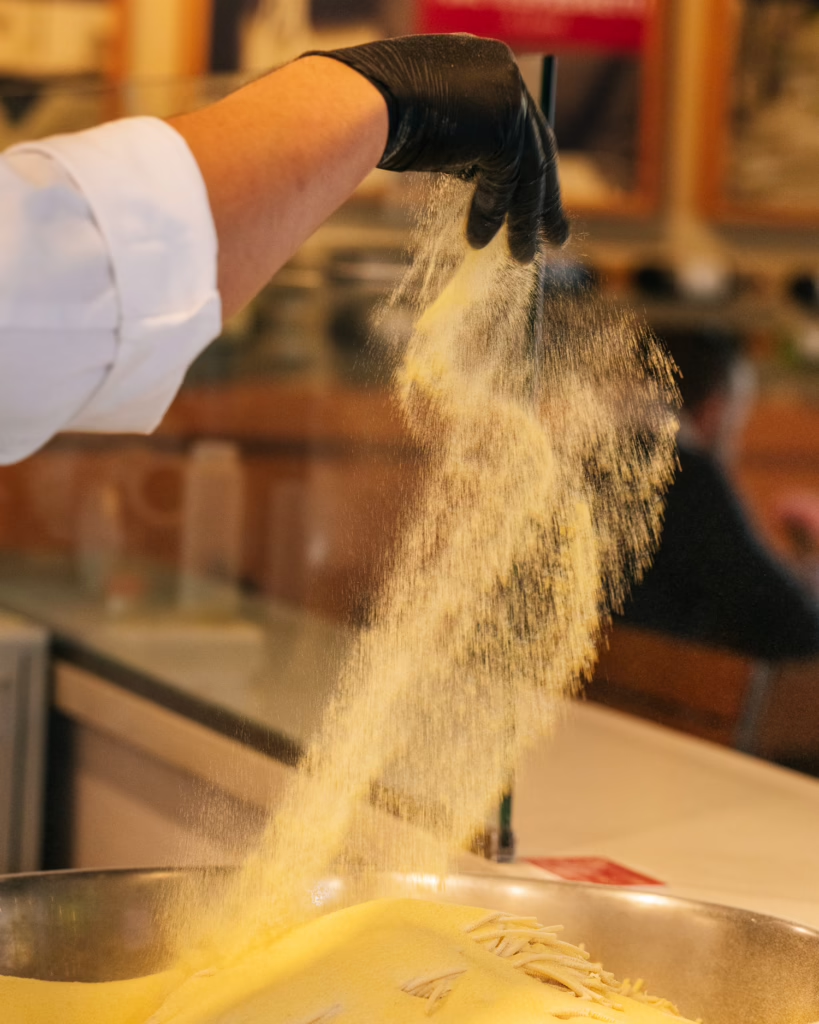
Each shape exists because of a sauce — not the other way around.
3. Filled Pasta (Pasta Ripiena)
Ravioli, tortellini, agnolotti, cappelletti, mezzelune. Squares, hats, half-moons. Each region fills them differently — ricotta and spinach in the south, meat and Parmigiano in the north, pumpkin in Mantua. They’re served either in broth (in brodo) or with a light sauce that doesn’t compete with the filling.
4. Regional Specialties Worth Knowing
- Orecchiette (Puglia): “Little ears” — concave discs that catch broccoli rabe and sausage.
- Trofie (Liguria): Hand-rolled twists, the official partner of pesto Genovese.
- Cavatelli (South): Small shells made by dragging dough across a wooden board.
- Paccheri (Campania): Giant tubes — eaten one or two per bite, often stuffed.
- Casarecce (Sicily): Short twisted scrolls that hold pesto trapanese beautifully.
- Bucatini (Lazio): Spaghetti with a hole through the middle. The official noodle of amatriciana.
5. Fresh vs Dried
Fresh pasta (made with egg) is silky, soft, and cooks in 90 seconds. It belongs with butter, cream, and delicate ragùs. Dried pasta (semolina and water) has bite and durability. It belongs with bold tomato sauces, oils, and seafood.
Italians don’t think of one as better — they’re different ingredients. The same way a baker uses bread flour and pastry flour for different jobs.
“There is no ‘best’ shape. There’s only the right one for what’s in the pan.”